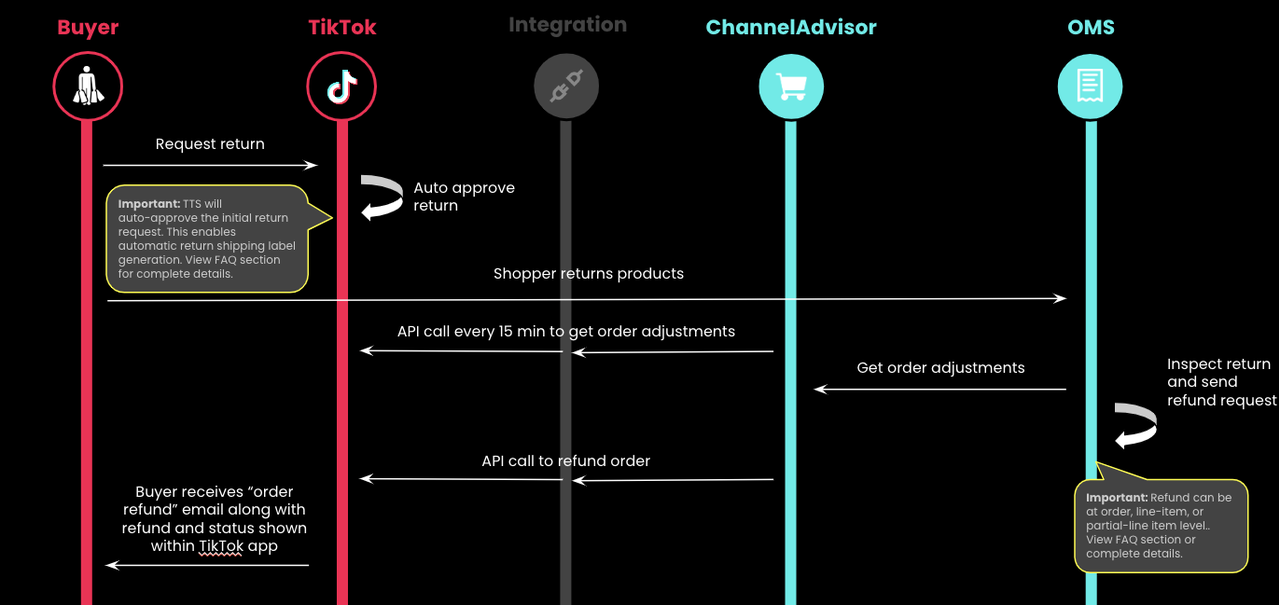
Returns on TikTok Shop are not just a cost of goods , they are a performance score variable. TikTok tracks the rate at which orders are returned due to seller fault and uses that data to rank your listings, restrict your ad eligibility, and determine your seller level. Ignoring return data is one of the most expensive operational mistakes a TikTok Shop brand can make.
This guide covers the mandatory policy requirements, how to distinguish seller-fault from buyer-fault returns, and the specific actions that reduce your return rate before any order is placed.
If your seller-fault return rate exceeds 2%, TikTok will flag your account for review and begin suppressing your product visibility in search and affiliate recommendations. This suppression can persist for 30+ days after the rate returns to acceptable levels , prevention is far less costly than recovery.
TikTok Shop's Mandatory Return Requirements
TikTok Shop mandates a minimum 15-day return window for all sellers. You cannot offer less than this. Your return policy must be published in Seller Center before your shop goes live , shops without a published policy cannot complete the buyer checkout flow.
Your policy must clearly state: the return window duration, which conditions qualify for a return (unopened, unused, original packaging), which product categories are non-returnable if applicable (personalised items, hygiene products, food), who pays return shipping, and the refund timeline once the returned item is received.
Seller-Fault vs Buyer-Fault Returns: What's the Difference?
Seller-fault returns are returns where TikTok determines the seller is responsible: wrong item shipped, item damaged in transit, product significantly not as described, late delivery. These carry the heaviest score penalties and should be your primary focus for reduction.
Buyer-fault returns are returns where the buyer changed their mind, ordered the wrong size, or simply doesn't want the item. These still count toward your overall return rate but carry a lighter performance penalty. They are primarily reduced through better pre-purchase information , size guides, detailed product descriptions, and honest photo representation.
How to Handle Disputes in Seller Center
When a return request is submitted, you have a response window to accept or contest it. Here is the decision framework:
- Accept immediately when: the buyer received the wrong item, the item arrived damaged, or tracking confirms the order was significantly delayed beyond your stated window.
- Contest with evidence when: the buyer claims non-delivery but tracking shows confirmed delivery, or the buyer claims the item is not as described but your listing accurately represented the product. Upload tracking screenshots, product photos, and listing evidence when contesting.
- Never contest frivolously. TikTok's dispute resolution team reviews contested claims and consistently siding with sellers on legitimate buyer grievances signals bad faith, which affects your seller standing independently of the return rate metric.
Checklist: How to Reduce Your Return Rate Proactively
- Add detailed size charts with measurements in both inches and centimetres for all apparel and footwear
- Include a product video on every listing showing the item in use from multiple angles
- Add a "What's Included" bullet point to every listing , mismatched expectations about bundle contents drive a significant portion of returns
- Photograph your product next to a common size reference (e.g., a phone or hand) for all small items
- Include weight, dimensions, and material composition in product attributes , never leave these blank
- Use your actual product, not manufacturer stock photos , lighting and colour filters cause expectation gaps
- Add a FAQ section to listings addressing your most common return reasons (check your return reason data in Seller Center)
- Review your return reason breakdown monthly and update listings to directly address the top reasons
Is your return rate quietly damaging your performance score?
I'll audit your listings and operations to identify where returns are coming from and give you a specific action plan to reduce them.
Get Your Free Audit →